
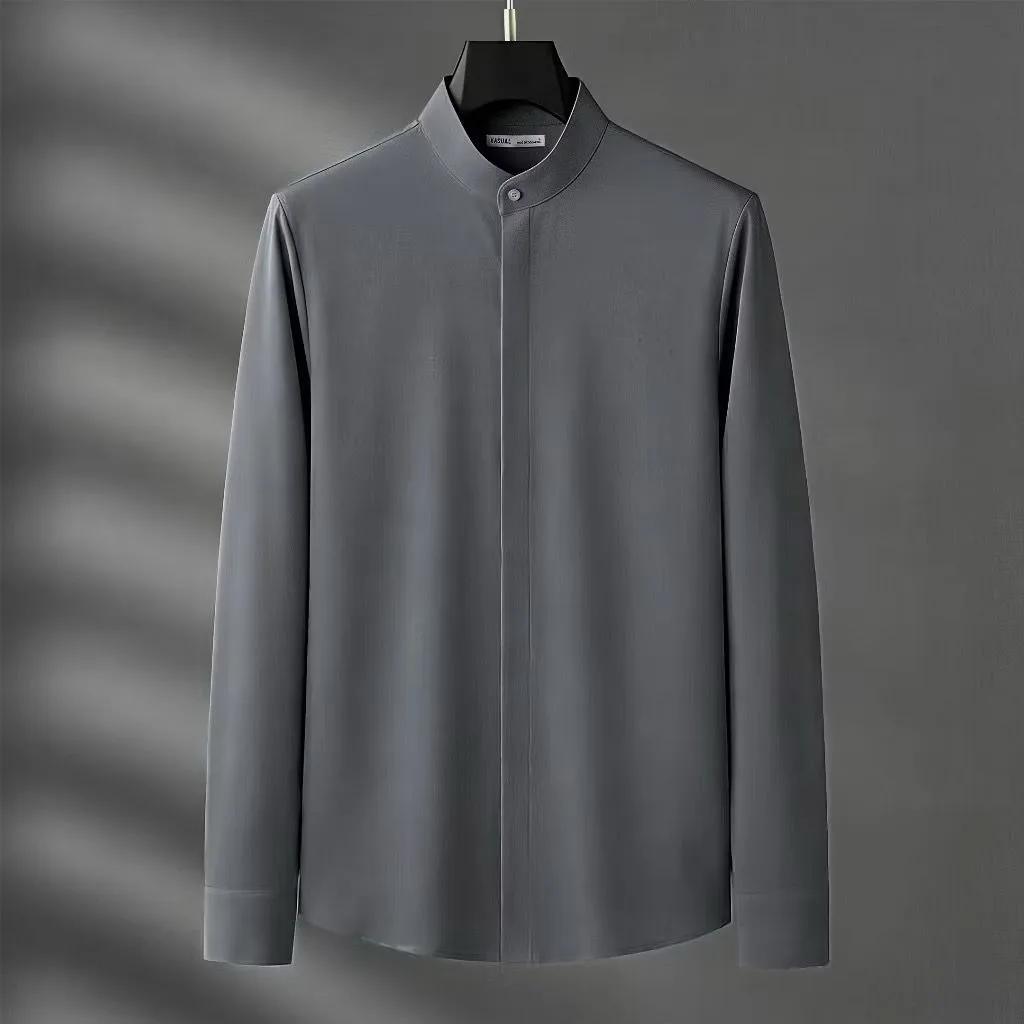
The glass slipped slowly, but the coffee fell fast. Five minutes before your meeting, the chest of your shirt had already absorbed half the cup. Your hand moved on reflex, and this is where most people make their first mistake: rubbing.
Why Rubbing Only Spreads the Stain
Coffee doesn't sit on top of fabric. The moment it spills, the liquid slips into the gaps between fibers. When you rub, the stain doesn't lift. It gets pushed deeper and spreads into the surrounding fibers. A spot the size of a coin can turn into one the size of your palm.
There's a second, subtler kind of damage. Hard friction makes the fabric surface at that spot fuzzy and dull. The stain may come out in the wash, but the rub mark stays.
The First-Minute Sequence: Blot, Rinse From Behind, Soap
The first step is simple: press. Grab a tissue, a handkerchief, or any dry cloth, hold it against the stain, and let the liquid transfer. Swap in a fresh sheet, press again. Repeat until no more coffee comes up.
Then head to the restroom. Turn the shirt inside out and run cold water from the inner side of the fabric, right behind the stain. The water pushes the coffee out through the same path it entered, instead of driving it further in. If there's hand soap available, work a little into the spot, press with your thumb, then rinse again until the water runs clear.
Finally, press the damp area with a tissue or paper towel. Your shirt may still be damp and carry a faint shadow, but the big stain never got the chance to set.
When the Stain Has Already Dried
Sometimes you only notice a coffee mark in the afternoon, or even while sorting laundry. A dried stain needs a different approach. Don't scrub it right away, because stiff fibers are easier to damage.
Wet the spot with cold water first, then soak that section for ten to fifteen minutes. Once the fibers have softened, wash as usual. One important rule before the shirt goes out to dry or under the iron: check for leftover stain first, because heat binds any remaining coffee permanently. If a shadow is still visible, run the process one more time.
Shirt Colors That Forgive Coffee
Every step above works on shirts of any color, but the final result isn't the same. A white shirt like the Basic Oxford White Shirt is brutally honest about marks: leave even a little stain behind and it shows right away. Dark colors, on the other hand, are far more forgiving. A navy koko shirt or a black koko shirt disguises the faint shadow that might linger after emergency treatment.
That doesn't mean white shirts should be avoided. It means just one thing: if your day is full of coffee and meetings, a dark shirt gives you a wider margin for error.
Frequently Asked Questions
Should I rinse a coffee stain with cold or hot water?
Cold water. Hot water makes coffee's pigments bind more tightly to the fibers, so the stain becomes harder to lift.
Can a coffee stain that's been there for days still be removed?
It's still worth trying. Soak it in cold water first until the fibers soften, then wash as usual. Older stains usually need two or three rounds, and the result isn't always perfect.
Is bleach safe for a coffee stain on a white shirt?
Chlorine bleach risks yellowing white fabric or thinning it at that spot. If you want to bleach, choose an oxygen-based one and test it on a hidden part of the shirt first.
Do salt or baking soda really help lift coffee stains?
Baking soda can be mixed with a little water into a paste to absorb a fresh stain. Salt works differently: it's only a temporary barrier to keep the stain from spreading while you look for water. Neither replaces a proper rinse.
Does the same method work on dark-colored shirts?
Exactly the same. It's actually safer, because if a faint shadow remains, dark colors hide it.
Does a milk coffee spill need different treatment than black coffee?
Slightly different. The fat and sugar in milk mean soap has to work on the spot, since water alone won't lift them. Leftover fat can leave a dull mark on the fabric, so wash the shirt as soon as you get home.