
Pleats That Open When You Sit Are Normal, as Long as They Close When You Stand
Published
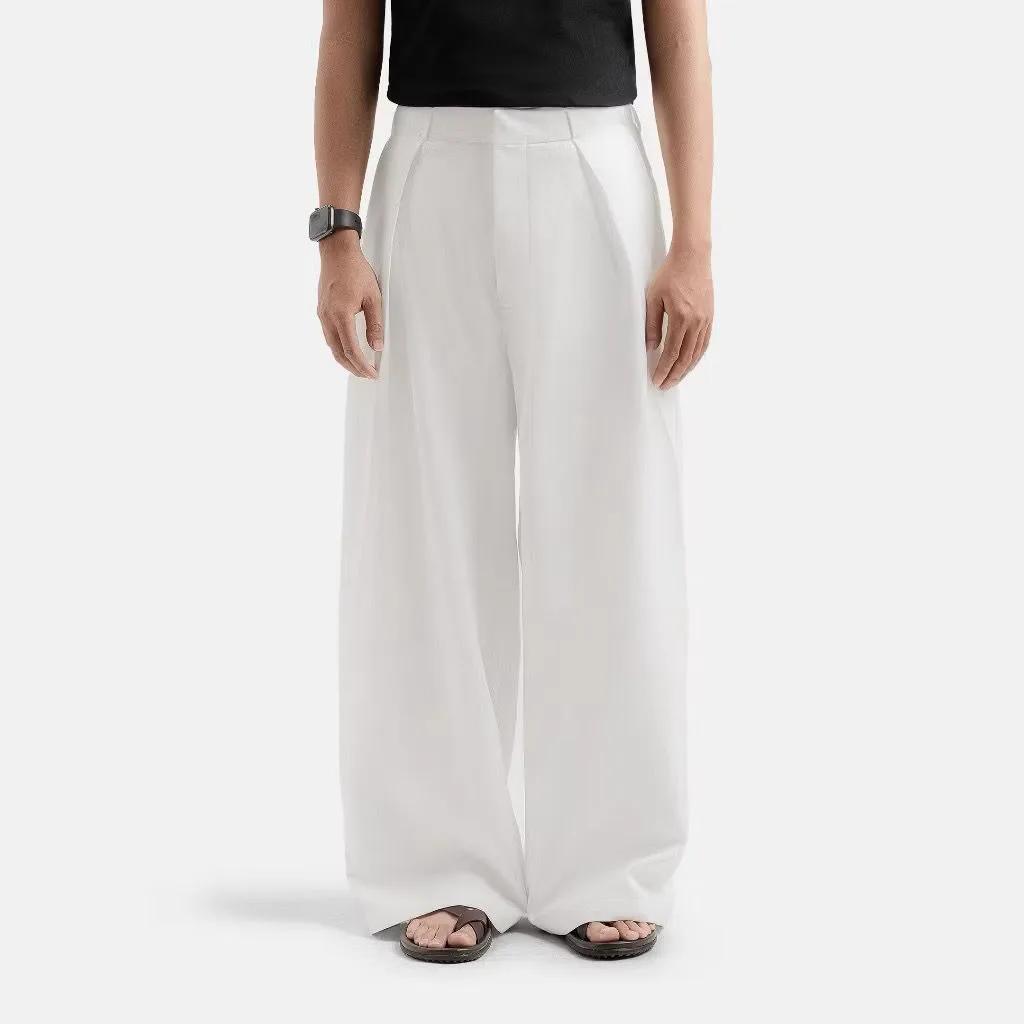
The group photo from the office event finally lands in the WhatsApp chat. Like everyone else, you zoom straight in to find yourself. You were seated in the front row. Your smile came out fine. Your trousers, less so: the pleats at the front have splayed wide, like a half-open fan.
Yet only this morning, in front of the mirror, those pleats were neat and straight. The next thought is easy to guess. Maybe the trousers are too tight.
Not necessarily. Pleats that open when you sit are actually a sign the trousers are doing their job. Whether it's normal depends on how the pleats look before you sit down, and after you stand up again.
Pleats Hold Extra Room for Your Thighs and Hips
Pleats are folds of fabric at the front of a pair of trousers, stitched into the waistband at the top. Trousers made this way are called pleated trousers. The folds store spare fabric for your thighs and hips, and that fabric only comes into play when it's needed.
While you're standing, the spare fabric stays folded away and the trousers fall straight down. The moment you sit, your thighs and hips press into the seat and spread out, so they need more fabric. That's when the pleats open and give up what they've been saving. So the open pleats in that photo aren't necessarily a problem.
The front pleats on the Neu Pleated wide-leg trousers, for example, are deliberately cut as room for your thighs to move, which makes them more than decoration. Pleats began on suit trousers, so a pleated pair is still at home in the office or at a semi-formal event.
The number of pleats changes the look too. A single pleat (one fold on each side) keeps the front flatter. A double pleat (two on each side) holds more spare fabric, so your thighs have more freedom, and it looks more classic. Either way, the rule is the same: when you stand, the pleats should stay closed.
Signs Your Pleated Trousers Are Too Tight
Some pleats open because you're moving. Others open because the fabric around them has run out of room. To tell the two apart, all you need is a mirror and a chair.
Normal looks roughly like this. Stand still and the pleats stay closed. Sit and they open. Stand up again and they close. That tells you there's enough spare fabric for your body, with some left over when you move.
It's a different story if the pleats are already pulling open while you're just standing still, and the fabric around them looks strained. Your body has been using up that reserve from the start. Once you sit, there's nothing left to give.
Two other signs usually come with it. First, you'll see pull lines running across from the crotch towards the pockets. Second, the front pocket openings flare out every time the pleats spread. If you can see both, the problem is the size of the trousers. The pleats themselves are fine.
Left unchecked, pleats that are forced wide open every day will lose their shape. Eventually you'll find them gaping even when the trousers are just hanging in the wardrobe.
If you have a bigger build, it's easy to assume pleated trousers will add bulk. In practice, that spare fabric is exactly what keeps the thighs from pulling tight. The key is a fabric with good drape and pleats that stay closed while you stand. Those two things are what keep the trousers from ballooning.
Do a Quick Sit Test in the Fitting Room Before You Buy
In the fitting room, most people just stand and turn from side to side in front of the mirror. With pleated trousers, add one more move. Sit down for a moment, about as long as it takes to reply to a few messages on your phone. Then stand up and take two steps.
Now look at the pleats. If the fit is right, they'll close again almost on their own, and you won't need to reach down and tidy anything. But if they're still open after you've stood up, or only close once you tug the fabric, those trousers will sit half fanned open from the time you head out until you get home.
This test is easier with light-coloured trousers. On pale fabric, a pleat casts a clear shadow, so even a small gap shows up straight away. Try the cream version of the Neu Pleated Wide Pant under the fitting-room lights, and you'll be able to tell more quickly whether the pleats have closed again or are still open.
How to Fix Your Pleats After a Long Sit
After sitting for a long time, say on a trip or in a meeting, even well-behaved pleats sometimes need a little help. Stand up and give your legs a few shakes. That's usually enough to let the fabric drop and the pleats fall back into line.
If the pleats have lost their shape, hang the trousers up overnight. The next day, iron gently along the line of each pleat, with a pressing cloth between the iron and the trousers. The cloth protects the surface of the fabric from direct heat.
If Moving Pleats Bother You, Choose Flat-Front Wide-Leg Trousers
Some people understand all of this and are still bothered every time they see the front of their trousers move. Fair enough: looks come down to taste. If that sounds like you, the answer is wide-leg trousers without pleats, where the extra room is built into the cut itself.
Take the Smart Wide Loose Pants in black. The width through the thigh and calf is set when the pattern is drafted, so when you sit, no pleat has to give way. The front stays flat, and you get roughly the same room to move as with a pleated pair.
So it comes down to which one looks better to your eye. If you like the lines pleats make and don't mind seeing them move, a pleated pair that passes the sit test is worth taking home. If you want a front that stays calm from morning to night, a pair without pleats will suit you better.