
The presentation ends, and that afternoon the team sends the event photos to the group chat. You open them with some curiosity. In almost every shot, only your upper half is visible: face, collar, shoulders, chest. The shoes you agonized over all night don't make the frame at all.
That's also how the audience sees you while the presentation is happening. They look at your face because you're the one talking. The area around your face comes along for the ride: collar, shoulders, shirt front. So the order of preparing a presentation outfit should follow that order, not start from the shoes up.
What the Audience Actually Sees from Their Seats
If you're standing at the front of the room, the audience sees your full figure for only a few seconds as you walk in. After that, their attention rises to your face and never comes back down. If you're presenting while seated at a meeting table, even less is visible: chest and up, that's it. Trousers, belt, and shoes still need to be neat, but their share of attention is far smaller than most people assume.
The Collar Is the Frame of Your Face
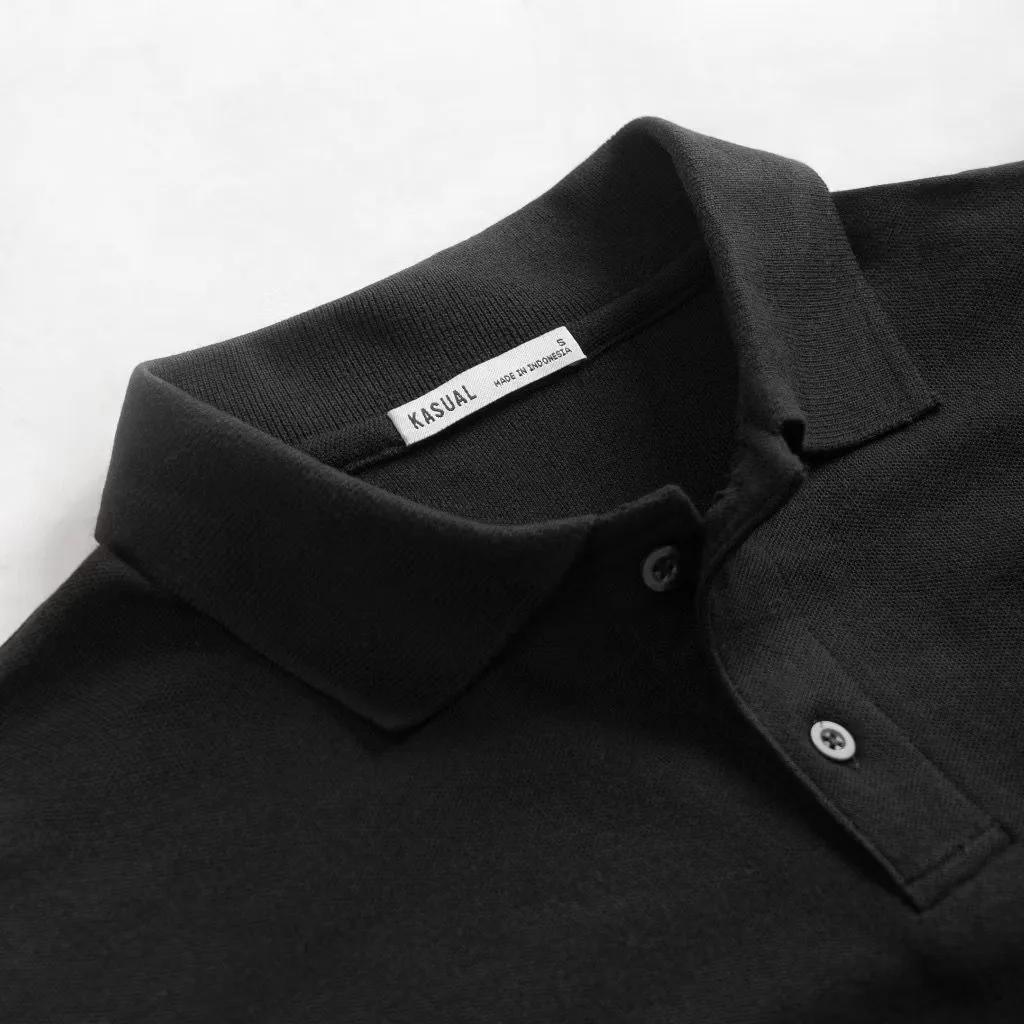
Because every eye is on your face, the collar does the hardest work. A collar that stands up gives the impression of readiness. A limp collar curling outward makes you look tired, no matter how good your slides are. An oxford shirt with small buttons at the collar tips keeps its shape through the whole session, and a light blue oxford shirt is a safe color choice for almost any room. If the setting is more relaxed, a polo with a standing collar still works because the collar keeps framing your face.
Shoulders Decide the Impression from the Back Row
Before you say your first sentence, your shoulders have already spoken. A shoulder seam that lands right on the bone makes you look upright even from the very back row. A seam that slides down the arm makes you look like you borrowed your older brother's shirt. No slide can cover that up.
The Shirt Front Works While You Move
When you point at the screen or reach for your laptop, the front of your shirt gets pulled. Straining buttons, fabric billowing at the stomach, or a small stain near the second button all become instantly visible because they sit right below your face. The test is simple: before you leave, stand in front of a mirror and raise your arm as if pointing at a screen. If the buttons hold and the fabric doesn't pull, you're good.
When Time Is Tight, Work from the Top Down
A packed morning before a presentation doesn't always leave you time to iron the whole shirt. Do the collar first, then the front, then the shoulders. The rest can wait. And if you present often, owning one or two tops that are reliably ready in those areas, say from the Rise Polo collection, makes your mornings far calmer.
Frequently Asked Questions
Is a polo shirt appropriate for a presentation?
For internal or casual settings, yes, as long as the collar stands up. For clients or formal settings, an oxford shirt is safer because it looks more prepared.
What shirt color is the safest for a presentation?
Light blue and white almost never go wrong. Avoid busy patterns because they pull attention away from your face, and your face is the one doing the talking.
What if the presentation happens over a video call?
The same rules apply even more strictly. The camera only captures you from the chest up, so your collar and shoulders are practically your entire look.
Do I need a tie to look more serious?
Not required. A standing collar matters more than a tie. A tie over a limp collar still looks messy.
Can I wear a short-sleeve shirt for a presentation?
Fine for casual settings, but a neatly rolled long sleeve usually reads more prepared without feeling stiff.