
Pants Slide Down When You Bend Over? Check the Rise First, Not the Waist Size
Published
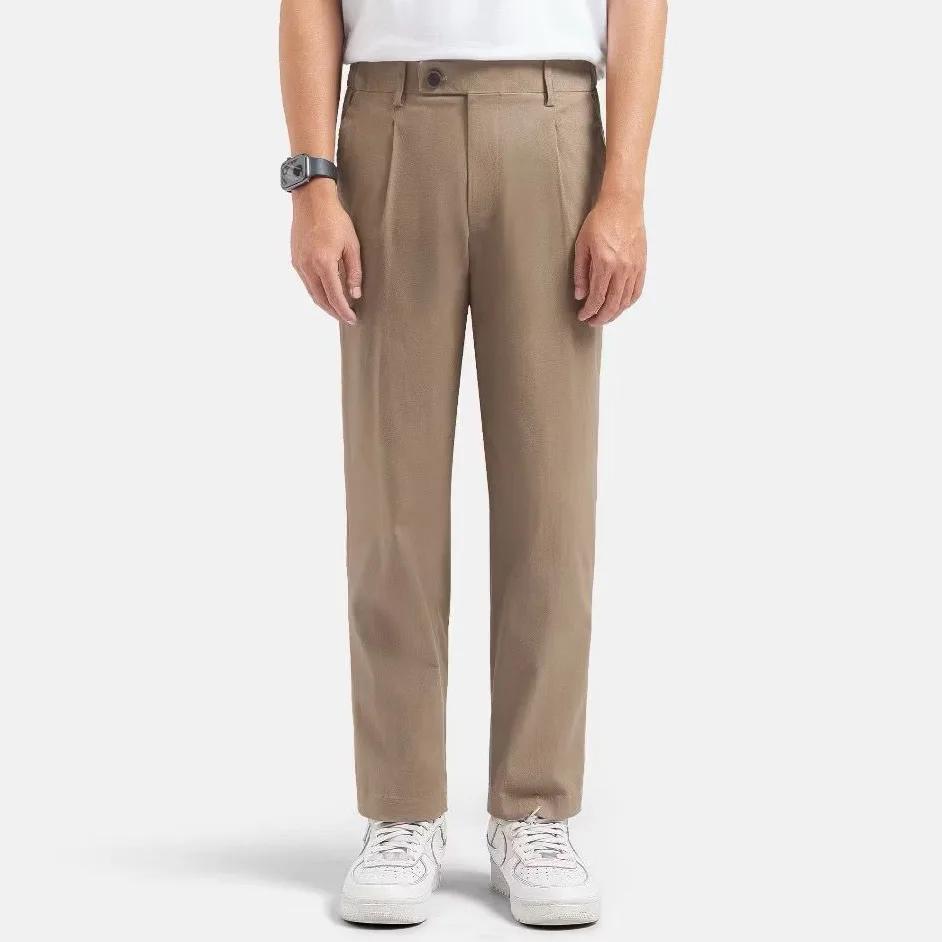
You squat down for a moment to tie your shoelaces. Before the knot is even tight, your hand is already moving to your back on its own, pulling up the waistband that slid down with you. You've probably done this move hundreds of times without noticing.
The most common reaction when it happens: the pants are too small, go up one size next time. Yet in many cases, the waist is perfectly fine. What's lacking is the part people rarely look at: the rise depth.
The Rise Determines How Much Fabric Holds Your Backside
The rise is the distance from the crotch seam to the waistband. If that distance is too shallow for your body shape, the pants don't have enough fabric to cover your back when you bend over. The waistband gets pulled down, and there's no reserve to hold it in place.
The problem is, the rise is never printed big on the label. What stands out is the waist size. No wonder our hands automatically reach for the bigger number.
Going Up a Waist Size Rarely Solves the Problem
Going up one size does add waist circumference, but it doesn't automatically add the rise depth your body needs. What you get instead is a looser waistband, and a loose waistband slips more easily when the motion of bending pulls on it.
The result is a familiar situation: the back still slides down, now with a baggy waist you have to cinch with a belt. The belt holds the front, but when you squat, the back fabric still gets pulled because there simply isn't enough length from the crotch upward.
Your Seat Shape Plays a Role Too
Two men with the same waist size can need different rises. If your seat is fuller, the fabric needs a longer path to travel over it. Pants with a short rise feel fine when you're standing still, then reveal the shortfall the moment you bend over or sit low.
This is also why everyone's experience differs. Your friend is fine in the same pants, while you have to hike up the waistband every time you stand up from a squat. It's not about size. It's about how well the pattern matches your build.
How to Check It in the Fitting Room
Don't just stand in front of the mirror. Put the pants on, then do the movements you normally do every day: a full squat like tying your shoelaces, a bend like picking something off the floor, and a low sit if there's a chair.
Pay attention to the back. If the waistband slides down and the fabric feels like it's pulling from the crotch, that's a sign the rise is too shallow for you, not that the waist is too small. If you have to pull the pants back up after bending over, there's your answer.
When comparing two pairs with the same waist size, eyeball the distance from the crotch seam to the waistband. A difference of two to three centimeters at that point feels significant once you're moving in them.
Pants That Give You Reserve Where It Matters
A cut with a deep enough rise and a roomy seat keeps your pants in place without you noticing. The Charcoal Regular Comfort Pant is built with that kind of room, and there's also the Cream Regular Comfort Pant if you're after a lighter color.
If your waist often falls between two sizes, the Smart Waist Ankle line has an adjustable waistband, so you don't have to sacrifice rise depth for a waist that fits. And if you're still guessing at the difference between slim, straight, and the rest, a short explainer lives in the KASUAL Help Center.
The point is one: when pants slide down at the back, check the depth first, then the circumference. That order saves a lot of purchases.
Frequently Asked Questions
What is the rise on men's pants?
The rise is the distance from the crotch seam to the waistband. It determines how high the pants sit on your body and how much fabric covers your backside when you move.
Do low rise pants always slide down when you bend over?
Not always. If your seat is flatter and the fit is right, low rise can still work. But the margin for error is smaller compared to a mid or deep rise.
Can a belt fix pants that slip at the back?
A belt only holds the waist circumference. If the rise is too shallow, the back fabric still gets pulled down when you squat or bend over, no matter how tight the belt is.
Can a tailor add rise depth to a pair of pants?
Practically speaking, no. Adding fabric in that area means taking apart nearly the entire pattern of the pants. It's more realistic to find a pair whose rise fits you from the start.
How do I check rise depth when shopping online?
Open the size chart and look for the rise or front rise measurement, then compare it with your most comfortable old pair. Measure from the crotch seam to the waistband so the comparison is fair.
When is going up a waist size actually the right solution?
When the waistband pinches when you sit, the button is hard to fasten, or it leaves pressure marks on your stomach after a full day of wear. That's a waist circumference problem, not a rise depth problem.