
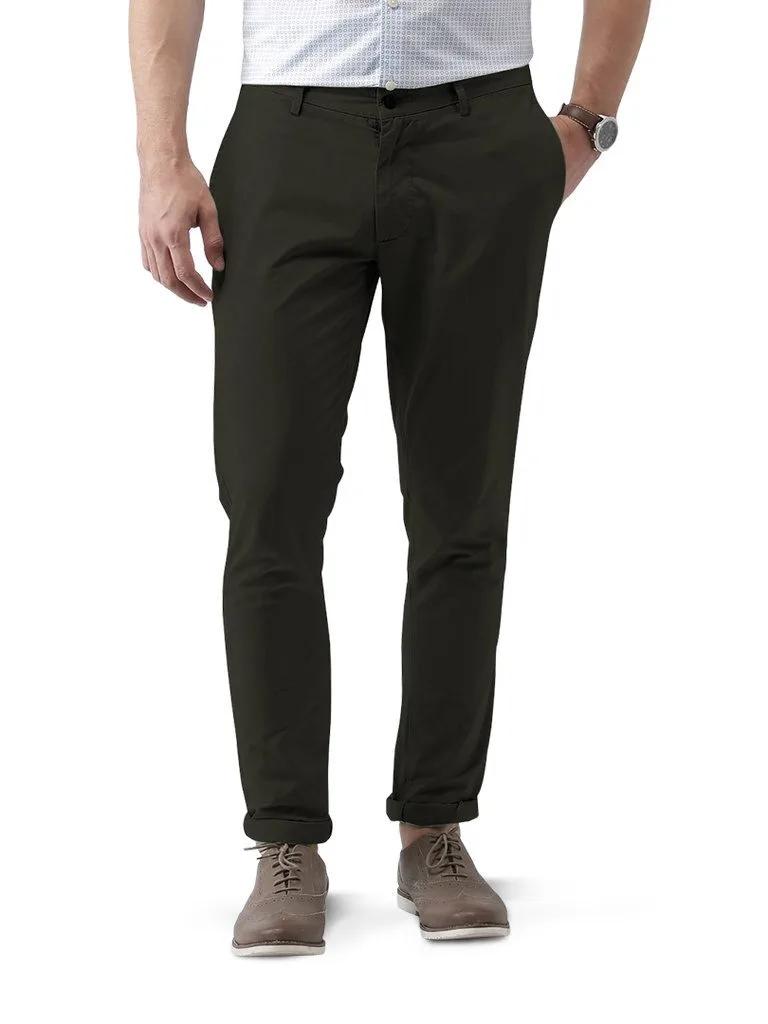
Your go-to work trousers have started to fade at the thighs. The color is not as deep as it used to be, especially under the office elevator lights. Then, in the same week, an October sale banner shows up on your phone's home screen, and the timing feels right. Maybe it is right. Maybe it is a tidy trap: you bring home something new that ends up rarely worn.
The sale itself is not the problem. The problem is how we judge what is inside it. A discount figure works fast in the head, much faster than common sense. There is a safer order: judge the item first, then look at the price.
Fabric Does Not Get Discounted
Fabric does not know there is a sale. The markdown applies to the tag, not to the cloth. A thin t-shirt that stretches out easily stays thin even at half price. Trousers with careless stitching stay careless, just cheaper.
So before looking at the number, look at the material. If you shop online, read the fabric description, zoom into the detail photos, and check the stitching around the collar and pockets. A plain tee like the Crew Maroon Red Tee can be judged by the thickness of the fabric and the neatness of the neckline stitching, not by the crossed-out price beside it. A well-made garment feels right at any price.
The Real Price Is Price Divided by Days Worn
The most honest way to judge a sale item is to divide its price by the number of days you actually wear it. Trousers worn twice a week for a year become cheap, even if the original price was ordinary. A fun t-shirt worn twice and then buried at the bottom of the pile becomes expensive, no matter how wild the discount looked.
This is where versatile pieces win. Army chino trousers, for example, work for a Friday at the office and still look right for a weekend dinner. The divisor is large, so the cost per wear is small. The opposite is true for anything that only suits one specific occasion. It almost always loses the math, however small the price.
Three Questions Before Anything Enters the Cart
First, does this item close a real gap in your wardrobe? Your faded work trousers, that is a real gap. A fifth shirt that looks like the other four, that is not a gap.
Second, can you name three things it pairs with right now, without opening your wardrobe? If yes, the piece will come out often. If you need to think long, it will most likely end up at the bottom of the pile.
Third, if this item were not on sale, would you still want it? This question filters out almost every temptation. If the answer is yes, the discount becomes a bonus. If not, what you are really buying is just the markdown number. Something bought in doubt usually stays in doubt once it arrives home.
For the faded trousers case, the answer is clear. Neat daily trousers like the Black Smart Waist Ankle Chino fill a need you can already see on the thighs of your old pair. That is shopping with a reason that existed before the sale banner appeared.
A successful sale is not the one with the fullest cart. It is the one where, a month later, the item has been worn several times and you have forgotten how big the discount was.
Frequently Asked Questions
Are sale items usually old stock or lower quality?
Not automatically. Often it is about stock rotation or leftover sizes. The way to judge stays the same: check the fabric, stitching, and construction details just as you would with full-price items.
How do I judge fabric quality when shopping online?
Read the fabric description all the way through and zoom into the detail photos to see the texture and stitching. If you are still unsure, ask the seller first. If the answer about fabric is vague, it is better to skip it.
Is it better to buy many cheap items or one good item during a sale?
Look at the gaps in your wardrobe. If there is one real need, a single good piece you wear often almost always beats three cheap ones that rarely leave the drawer.
What colors are safest to buy on sale so the clothes get worn often?
The colors already proven in your rotation: black, navy, grey, brown. A new color is fine, as long as you can name what it pairs with without thinking long.
If the only size left is not my usual size, is it still worth buying?
Generally no. Clothes in the wrong size rarely get worn, no matter how big the discount. The exception is when you are confident a tailor can adjust it at a reasonable cost.
When is a sensible time to start shopping the October sale?
After you know what you are looking for. Make a needs list first, then open the sale page. Doing it in reverse usually ends with things you never planned to buy.