
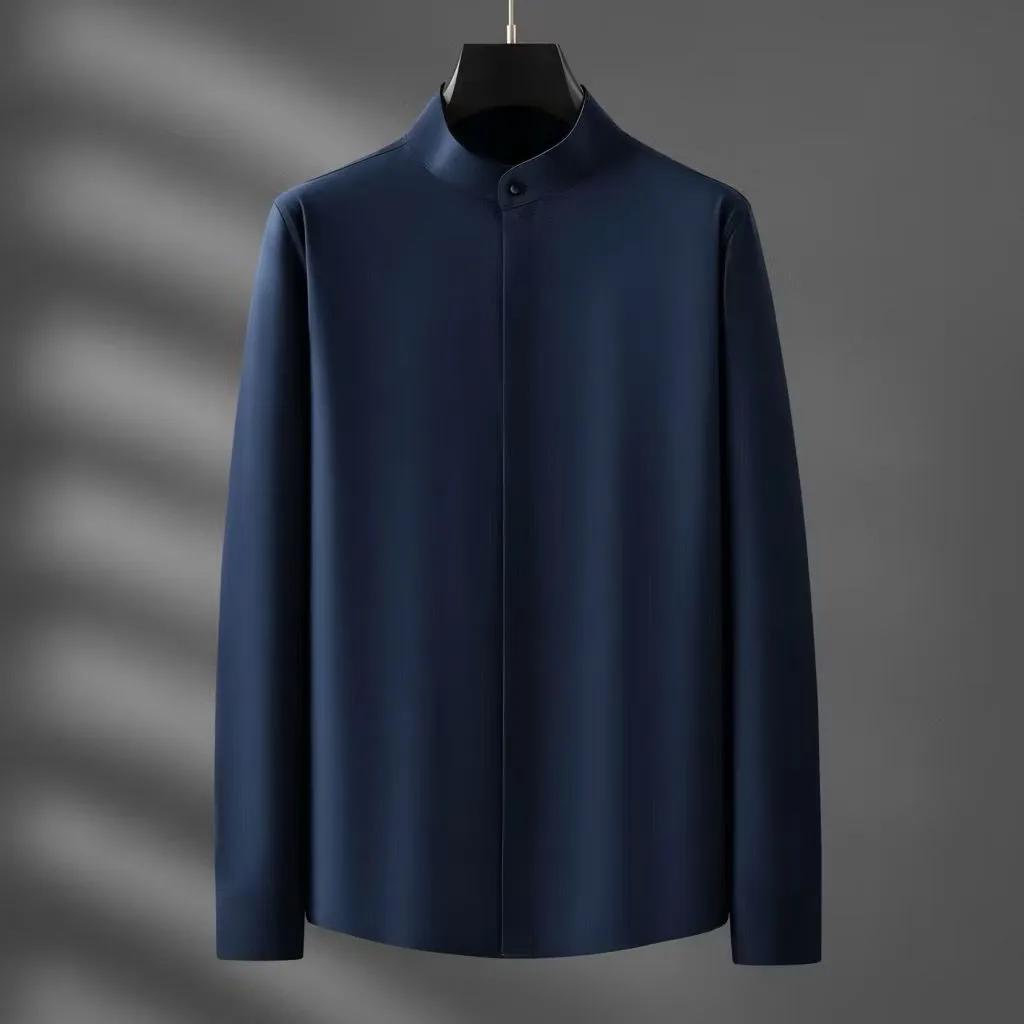
Sunday night, and tomorrow's white shirt is laid out on the ironing board. You turn the collar over to press the inside first, and there it is: a thin brownish line following the curve of your neck. The shirt was only washed two days ago.
Put the iron down for now. Its heat can lock leftover grime into the fibres, and after that the stain is far harder to lift. Nor is the line a sign that your shirt was washed carelessly. The collar is simply the part of a shirt that gets dirty fastest, and a regular wash often isn't enough to clean it.
Why Collars Get Dirty Faster Than the Rest of the Shirt
Of all the parts of a shirt, the collar is the one that stays pressed against your skin the longest, wrapped around your neck from morning to night. If you wear an undershirt, it catches most of the sweat from your chest and back. The collar has no such barrier.
The neck itself sweats and gives off oil readily, and hot, humid weather like ours makes it worse. Hair oil or pomade plays a part too, since the residue works its way down to the back of your neck. Street dust also clings easily to oily skin, especially if you ride a motorbike. Every time you turn your head, the collar rubs against your neck and works all of that grime into the fabric.
The trouble is that a normal wash cleans the whole shirt evenly, even though the dirt isn't spread evenly at all. Oil that one wash doesn't fully remove stays behind along the collar line, and the next wear lays fresh oil on top of it. Over time the layer thickens and turns brown. That's why the ring around the collar needs dealing with before the shirt goes into the wash.
How to Remove Ring Around the Collar Before Washing
You don't need any special tools. If your collar has little buttons at the points, undo them first so it can lie flat. Wet the collar line, then rub a little liquid detergent right into the discoloured part. Scrub gently with an old toothbrush whose bristles have gone soft. If you don't have a brush, just rub the collar fabric against itself by hand.
Give extra attention to the inner fold of the collar and both of its points. These are the spots most often missed, even though that's where the grime is thickest. After scrubbing, leave it for ten to fifteen minutes so the detergent has time to dissolve the oil. Only then wash the shirt as you normally would. It's fine to put it in with the rest of your laundry.
If you've run out of liquid detergent, shampoo will do the job. Shampoo is made to dissolve oil from the scalp, and the oil on your collar comes from skin as well. Bath soap works the same way.
Sometimes the body of the shirt is still clean and only the collar looks dull. A shirt like that doesn't need to go in the wash at all. Wet the collar at the sink, add a little detergent, scrub gently, then rinse until the suds are gone. Leave it to air-dry completely, and the shirt is ready to wear again. That shirt on the ironing board can be saved the same way. Wash the collar that same night, hang the shirt in front of a fan, and by morning it is usually dry enough to iron.
Yellowed Collar Stains Need a Soak
A line that has been left for weeks has usually turned yellow, and a quick scrub won't shift it. The temptation is to start brushing harder. Hold off. A collar has a stiffening layer inside it to keep its shape neat. Overzealous scrubbing can leave the fabric fuzzy or pull the collar out of shape.
Old stains need time more than force. Fill a basin with warm water and detergent, then soak the collar for half an hour to an hour. The rest of the shirt can hang over the side of the basin. Afterwards, give it a light scrub and wash it as usual. A really stubborn stain may only fade after two or three soaks like this.
Many people reach straight for bleach to clean a white shirt collar. It's better not to make a habit of it. Chlorine bleach can react with sweat residue and actually turn the collar more yellow. Used too often, it weakens the fibres as well. For routine care, a detergent soak is still the safer option.
Shirt Colour Only Decides When the Stain Shows
A white shirt gives you the earliest warning. On a white oxford shirt, even the slightest discolouration along the collar shows straight away, so you know exactly when it needs a scrub. If you'd like to stick with a light colour but would rather the dullness didn't show so soon, a cream oxford shirt makes a good middle ground.
A dark shirt keeps the problem better hidden. On a black shirt, the collar line is much harder to see, even though just as much oil and sweat has built up. So you clean it exactly the same way. Your eyes aren't much use here, so go by touch: once the collar starts to feel slightly stiff or greasy under your fingers, it's time to clean it.
How to Stop Collar Stains Coming Back So Soon
Collar stains come out most easily while they're fresh. So don't leave a sweaty shirt sitting in the laundry basket for a week. After a full day's wear, wash it as soon as you can. If you can't get to it yet, hang it somewhere airy first so the sweat can dry.
As for how often, the rule is simple. For a shirt worn all day, clean the collar line every time it's about to be washed. If you only wore it briefly and didn't sweat much, wait until the line starts to look dull.
Next Sunday night, you can turn the collar over on the ironing board without bracing yourself.