
Pants Tight at the Hips When You Sit? Try These Three Moves in the Fitting Room
Published
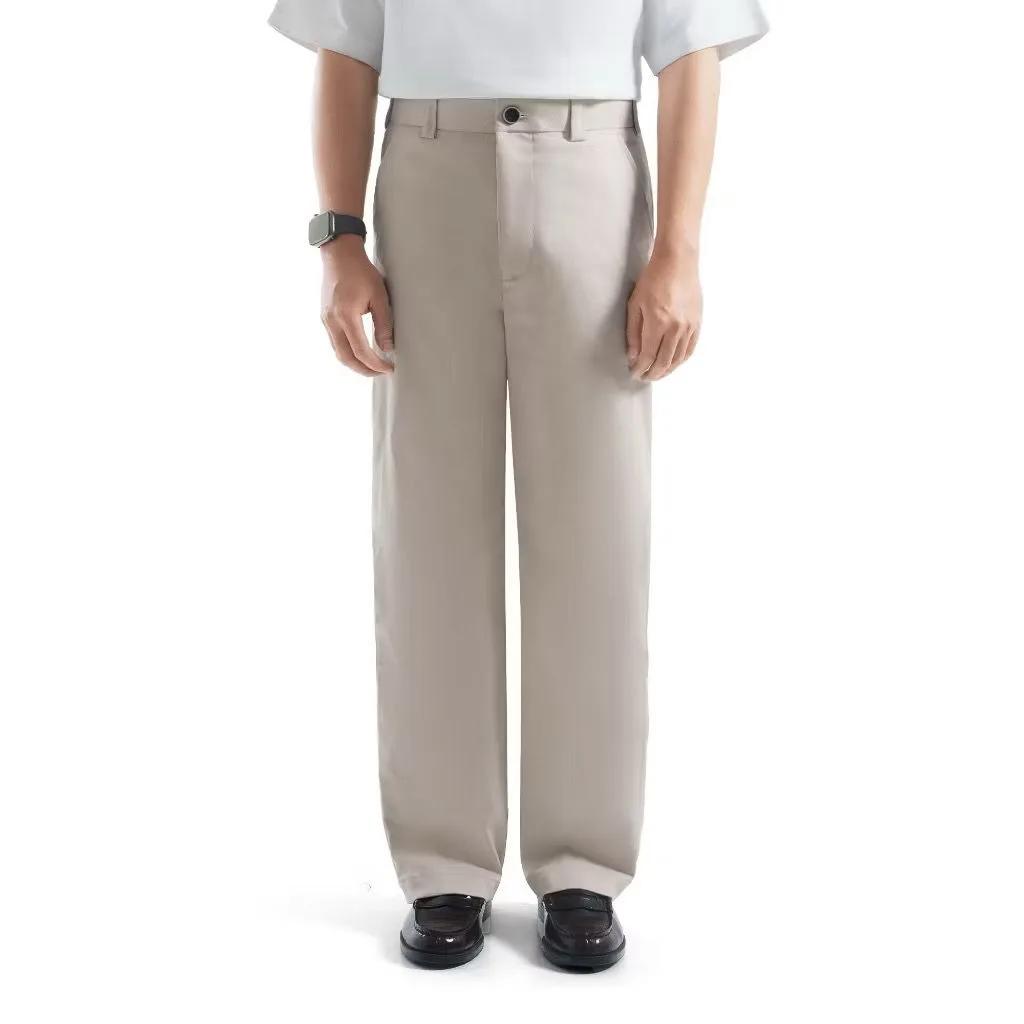
On the first morning in your new pants, you take a motorbike taxi to the office. The moment you sit astride the back of the bike, the fabric across your hips pulls tight and the front pockets gape open. Every time you stop at the lights, you shift a little, looking for a position where nothing tugs.
Yet in the fitting room yesterday, everything seemed fine. The waist and length were right, and the mirror raised no objections. Your body obviously didn't change overnight. You only tried the pants on standing up, and you can't tell whether the hips have enough room until your body bends.
Standing in Front of the Mirror Doesn't Test the Hips
When you stand tall, you're asking almost nothing of your pants. The fabric hangs down cleanly and nothing pulls on it. In that position nearly any pair looks convincing, even the ones that are actually tight.
The catch is that you rarely stand still for that long. There are footbridge stairs to climb and an office chair to sit in for hours. Every time you bend, the fabric around your hips and across the seat (the part that covers your backside) has to stretch with you. If the cut leaves no room for that movement, the fabric pushes back against your body, and you're the one who feels it all day.
Walk and Climb a Step Around the Fitting Room
You don't need a tape measure or any other tool for this test. All it takes is the nerve to look a little odd in front of the shop assistant. Start by walking a few steps along the corridor outside the fitting rooms. Pay attention: does the fabric move with your hips, or does it hold back your stride? The front pockets are the easiest clue. If the pocket openings already gape just because you're walking, there's very little room to spare at the hips.
Next, climb a single step if the shop has stairs. No stairs? Put one foot up on the edge of the fitting room bench. Even a cramped cubicle will do: lift one knee to waist height with a hand on the wall for balance. This bends your hips more sharply than walking does. If there's enough room, the tightness is fleeting and fades the moment your foot comes back down. If there isn't, it feels as though a prankster is tugging at your pants from behind.
The Test That Matters Most: Sit the Way You Normally Do
The third move is the decisive one, and the one people most often skip. Perching bolt upright on the edge of the bench for a moment won't tell you anything. Sit as you would at your desk, leaning back or slouching a little, for a minute or two. Then pretend you've dropped your phone and reach down for it without getting up.
This is where most pants show their true character. There's no need to sit there until you're bored. Pants without enough room usually give themselves away the moment you lean forward. What you're after is a pair you forget about as soon as you sit down.
Signs Your Trousers Are Too Tight in the Hips
The mirror only becomes useful once you've moved. Sit facing it and look at the front of your pants. Taut horizontal creases around the hips and on either side of the zip mean the fabric is running short. Pocket openings that gape wide when you sit say the same thing. There's also a sign the mirror can't show you. If your hands automatically tug the fabric at your hips back into place every time you get up from a chair, you already have your answer.
Tightness at the hips sometimes gets mixed up with tightness in the thighs. If the problem is at the hips, the squeeze is worst when you sit, and the pulling shows up near the pockets. If it's the thighs that are tight, the trouble starts when you take a long stride or lift a knee, because the fabric hugs your thighs too closely. The difference matters, because it tells you which part of your next pair needs more room.
Change the Cut Before You Size Up
For many people, the first reaction is to grab the next size up. Unfortunately, sizing up makes the waist and hips bigger at the same time. If your hips need more room than your waist, the waist gets loose long before the hips feel any relief. You end up with pants that need a belt to stay up but still pinch when you sit.
So it's the cut you need to change. For hips that often get squeezed, a regular cut is usually kinder than a slim one. There's more room at the hips and seat, yet the pants don't look too big on you. If you want to double-check, the KASUAL Help Centre briefly explains what slim, straight and the other cuts mean.
To try a regular cut, start with the black regular-fit pants, made to be neither too tight nor too loose. If chinos (cotton trousers with a diagonal weave) are what you usually wear, put the Chino Workpant line through the same tests. The black chinos from this line, for example, use cotton blended with a little stretch fibre, so they're easier to move in. Fabric with a bit of stretch does help, but it's no guarantee. Do the sit test anyway, because stretch can't hide a cut that's genuinely tight once you've been sitting for a while.
One worry comes up often: will a roomier seat look sloppy? Not as long as the waist and length are right. If anything, it's the tight pair that tends to look crumpled, because the fabric gets pulled this way and that every time you move.
Measure a Pair You Already Own Before Ordering Online
Shopping online may not come with a fitting room, but you do have a wardrobe. Pull out the pair you find most comfortable for a full day of sitting and lay it flat on the bed. Measure from side to side across the widest part of the hips, roughly level with the bottom of the zip. Double that figure and you have an estimate of the hip measurement.
Take that number to the size chart. The charts on the regular and chino pages linked above list hip measurements taken from the pants themselves, so you're comparing like with like. If slim cuts nearly always pinch your hips, start your search with regular or straight. When the parcel arrives, repeat the three moves in your own room, dropped-phone scene included.