
Caught in a Morning Drizzle? Why Your Office Pants Are Still Damp After Lunch
Published
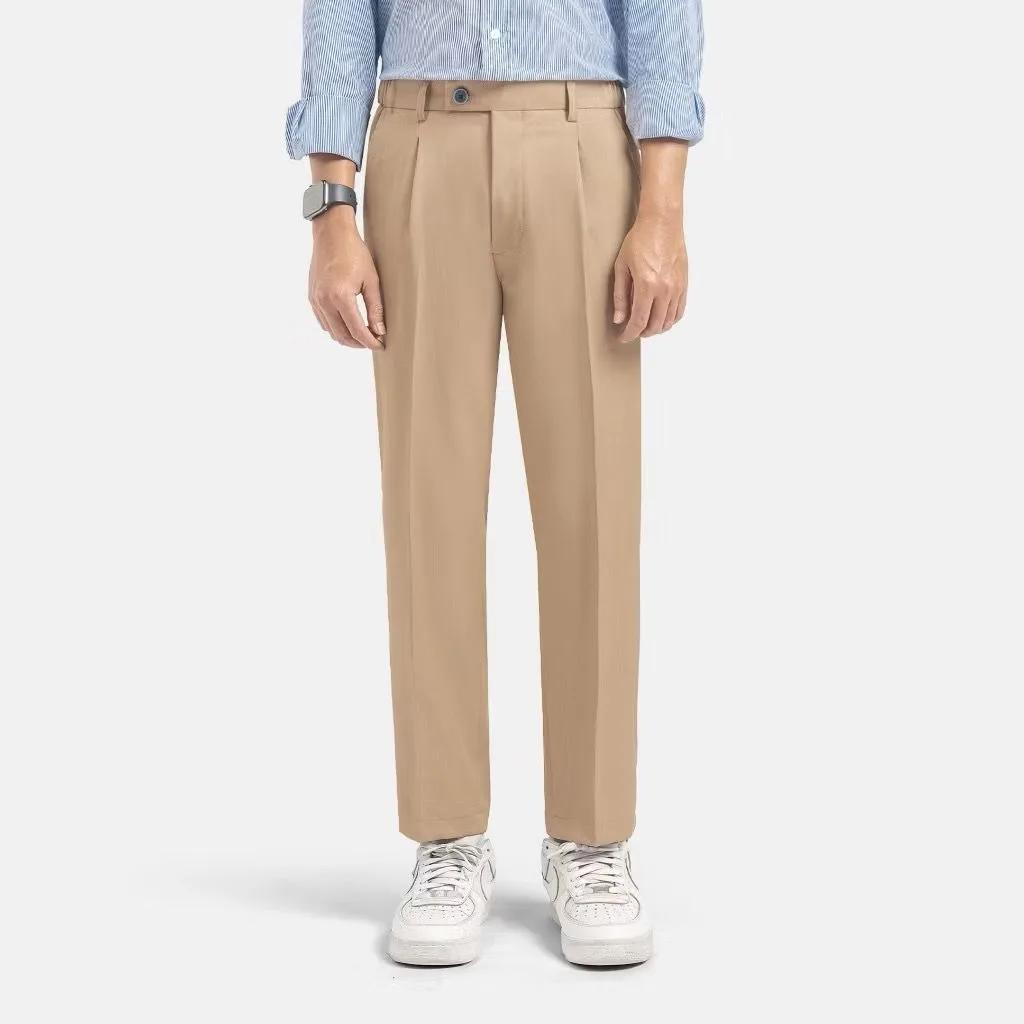
It's been drizzling since dawn. The spare raincoat your motorbike taxi driver lends you stops at your waist, so your thighs catch the rain the whole way. Only when you reach the lobby do you notice two dark patches on your pants, running from the tops of your thighs down to your knees. You reassure yourself: the office air conditioning is bound to dry them before lunch.
At two in the afternoon, you cross your legs in the meeting room and your thigh feels cold straight away. The patches have faded. The fabric still isn't dry.
Two pairs of pants can be caught in the same drizzle and dry hours apart. The clues lie in which parts are still damp, and in the shape your pants hold once they're dry.
The Whole Patch Is Still Damp: Check the Fabric and Its Thickness
If the whole patch is still damp even though you've been up and about, check the fabric first. The label is usually sewn inside the waistband. Cotton and rayon fibres absorb water, so the drizzle ends up held inside the yarn itself. The thicker the fabric, the more it holds. Heavy cotton pants such as jeans can stay damp until late afternoon.
Polyester fibres barely absorb water. The water just sits in the gaps of the weave, so it evaporates faster once you step indoors. If the label lists a blend, the drying time falls somewhere in between. For the rainy season, polyester pants are the safer bet. The Smart Waist Ankle Prime, for example, is cut from a polyester that dries quickly in humid air.
Only the Pressed Spots Are Still Damp: Give the Fabric Room and Air
Sometimes part of the patch has dried, but the spots that keep getting pressed, such as where your legs cross, still feel cold. Fabric only dries where air can reach it. Pants that hug your thighs also cling to your skin once they're wet, so the water can only evaporate from the outside. Stand up and try pinching the fabric at the side of your thigh. If there's still fabric to pinch, air has a way through.
Small habits make a difference at the office too. For the first hour after you arrive, sit with both feet flat on the floor and hold off on crossing your legs. Getting up now and then for a drink of water also helps, because every step stirs the air around the fabric.
Baggy Knees After Drying: Choose a Fabric That Bounces Back
Cotton gets more pliable when it's wet, then dries in whatever position your body is in. If you've been sitting since morning, the fabric at the knees dries stretched, while the fabric in your lap dries folded. When you stand up, the knees bag out and the lap is covered in creases. Neither looks neat again until it's been ironed.
Polyester barely softens when it's wet, so it doesn't set in the shape you've been sitting in. The Smart Waist Ankle Prime fabric mentioned earlier also recovers quickly from creasing.
If you prefer cotton pants, pick a pair with a little stretch fibre blended in, like the Black Smart Waist Ankle Chino, which is made from a cotton twill. The cotton still soaks up more drizzle than polyester does, but the stretch fibre helps the fabric spring back into shape after hours in a chair.
Frequently Asked Questions
What kind of raincoat best protects your pants on a motorbike taxi?
A two-piece rain suit with a jacket and pants. A poncho lifts easily in the wind, and a jacket-style raincoat stops at your waist, so your thighs still get wet. If you ride motorbike taxis often in the rainy season, it helps a lot to carry your own rain pants, the kind that fold down small enough to fit in your bag.
Why do damp pants feel so much colder in an air-conditioned office?
As water evaporates from the fabric, it draws heat from your skin. The breeze from the air conditioning speeds that evaporation up, so you feel the chill most where the fabric clings to your skin.
Do black pants dry faster than khaki ones?
Indoors, colour makes almost no difference to how quickly fabric dries. What it does change is how much the damp shows: while the fabric is still wet, a dark patch stands out on khaki, cream or light grey, and is barely visible on black. On a quick-drying fabric, that patch also disappears sooner.
How can you tell whether pants are cotton or polyester when shopping online?
Look for the fabric composition in the product description. If it only gives the name of the fabric or the style of the pants, ask the seller whether they're cotton, polyester or a blend of the two.
Do pants that stayed damp all day need washing as soon as you get home?
Not necessarily, if all they caught was drizzle. Hang them up with the legs spread apart and leave them until they're completely dry. Wash them if they still smell musty once dry, or if there are splash marks from puddles.